Graffiti - art or vandalism?
Walk through almost any major city in the world, and you will encounter it. It might be a hastily scrawled "tag" on a mailbox, an intricate, multi-coloured masterpiece covering a brick alleyway, or a politically charged stencil appearing overnight.
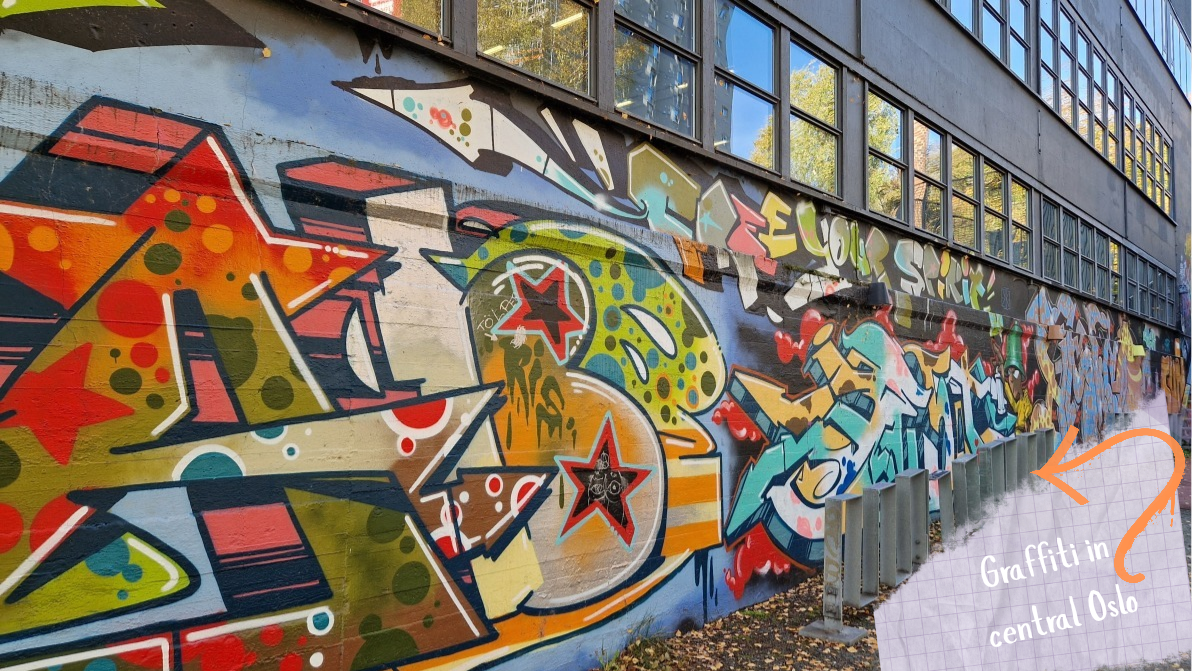
Image by Alexandra Strohbehn
Graffiti is the ubiquitous background noise of urban life. But when we look at these aerosol interventions, what are we actually seeing? Is it a criminal act of defacement, or is it a legitimate form of artistic expression?
The debate over whether graffiti is vandalism or art is as old as the practice itself. The truth, inconveniently, usually lies somewhere in the messy middle, defined by context, intent, and aesthetic value.
The Cost of Chaos
The argument for graffiti as vandalism is straightforward and rooted in law and order. By definition, graffiti placed on property without the owner's permission is a crime.
From this perspective, graffiti is an assault on shared spaces. It is viewed as urban decay, a visual signal that an area is neglected or unsafe—often referenced in the "broken windows theory," which suggests visible signs of disorder encourage further crime.
The economic impact is undeniable. Cities and private business owners spend billions of dollars annually on abatement and removal. For a small business owner struggling to get by, having to constantly repaint a storefront due to "taggers" marking territory is not an artistic debate; it’s a financial burden and an exhausting nuisance. When a 400-year-old historical monument is defaced with spray paint, few would argue it is anything other than destructive vandalism.
A Canvas of Concrete
Conversely, proponents argue that graffiti is the most authentic art form of the modern era. It is raw, immediate, and accessible. Unlike art hidden away in sterile, expensive museums, graffiti is free and open to the public 24/7.
For many practitioners, graffiti is a vital form of self-expression, particularly for marginalized youth who feel ignored by mainstream society. It is a way to reclaim dead, brutalist urban environments, turning grey concrete into vibrant canvases.
Furthermore, dismissing all graffiti as mere scribbling ignores the immense technical skill involved. The complex "wild style" pieces, the layering of colours, and the can control required to create large-scale works under pressure are undeniably impressive feats of craftsmanship. When a grim underpass is transformed into a stunning mural, it beautifies the community and raises morale.
The Blurred Line
The debate gets complicated when we look at how the art world itself has shifted. Yesterday’s vandals are today’s gallery darlings. Artists like Jean-Michel Basquiat and Keith Haring started on the streets illegally before being embraced by high-society collectors.
Today, the elusive Banksy is technically a criminal in many jurisdictions where he operates, yet property owners often put Plexiglas over his illegal works to protect their sudden skyrocketing value. If the difference between a crime and a masterpiece is merely who held the spray can, the definition becomes incredibly slippery.
Conclusion
So, is it vandalism or art? The answer is often: yes.
A hastily spray-painted gang tag on a neighbour’s garage is vandalism. A permission-based, vibrant mural celebrating local history is art. But the vast majority of graffiti exists in the space between these extremes.
Perhaps the value of graffiti isn't in finding a definitive answer, but in the conversation, it forces us to have about who owns public space, who gets to decide what our cities look like, and where the line lies between destruction and creation.