
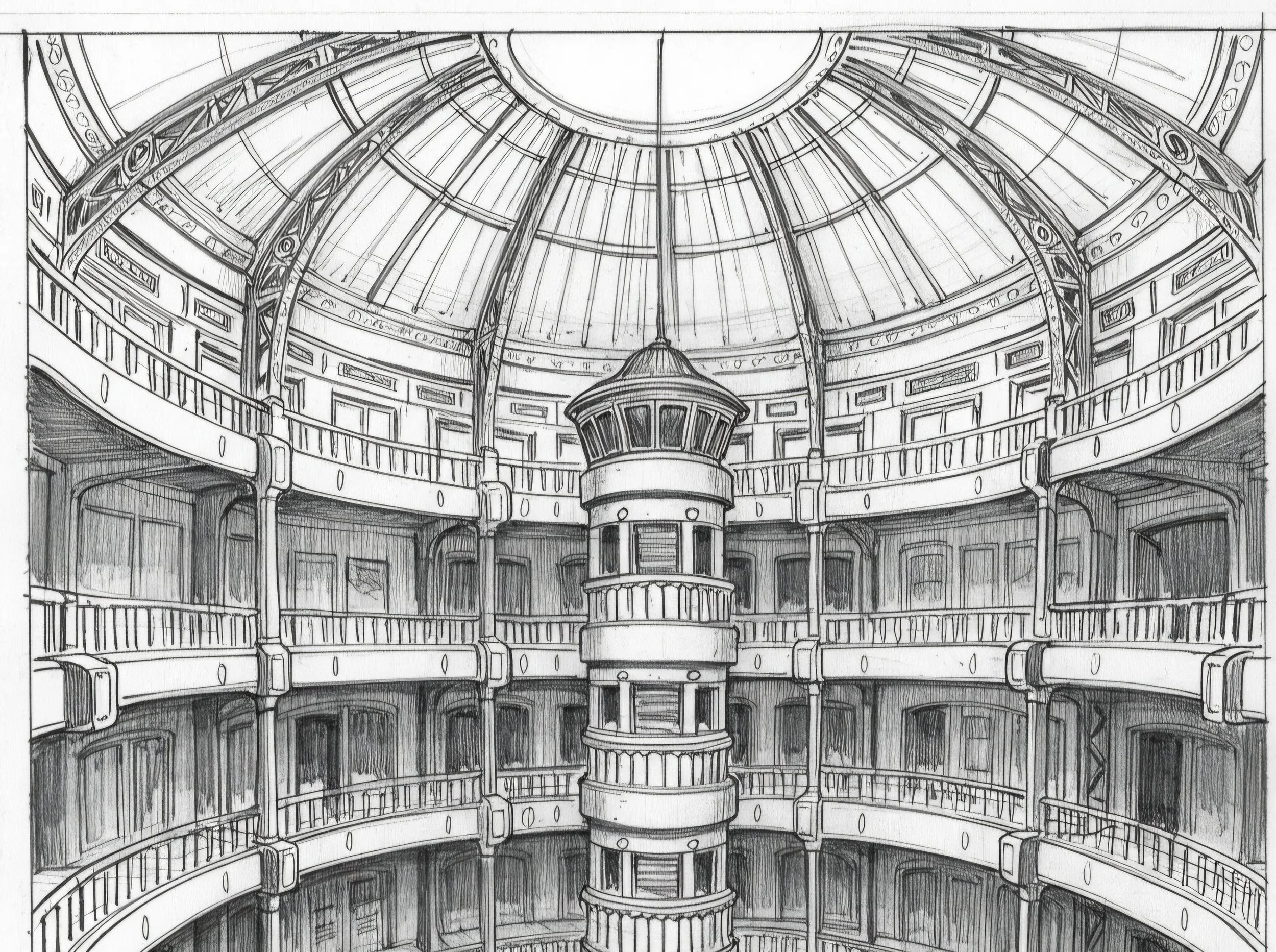
The all-seeing eye: Bentham's panopticon and the architecture of modern control
In 1791, Jeremy Bentham proposed a prison where a single unseen guard could observe every inmate at all times. Michel Foucault later transformed this blueprint into one of criminology's most enduring theories, that the most effective power is the power people exercise over themselves. From Victorian prisons to digital surveillance capitalism, the panopticon's logic has never been more relevant. This blog post explores the concept from its origins to the algorithmic age, and asks: who is watching, and to what end?

What is crime - really?
We tend to think of crime as “bad behaviour”, but the reality is more complicated. This post goes back to criminological basics to show why crime is not about morality, but about law — and why that distinction matters.

The “no-one cares” concept: does disorder invite crime?
Does a single broken window inevitably lead to serious crime? This article explores the "No-One Cares" signal—a criminological concept suggesting that physical disorder acts as silent permission for illicit behavior. By examining Wilson and Kelling’s Broken Windows Theory and the historic turnaround of the New York City subway system, this post explores how environmental neglect erodes social control and why collective efficacy is the most effective antidote to urban decay.